
Choose the best Commercial Foundation Repair Services Near You with Accurate Foundation Repair
Looking for reliable commercial foundation repair services? Discover how Accurate Foundation Repair can help you choose the best solutions near
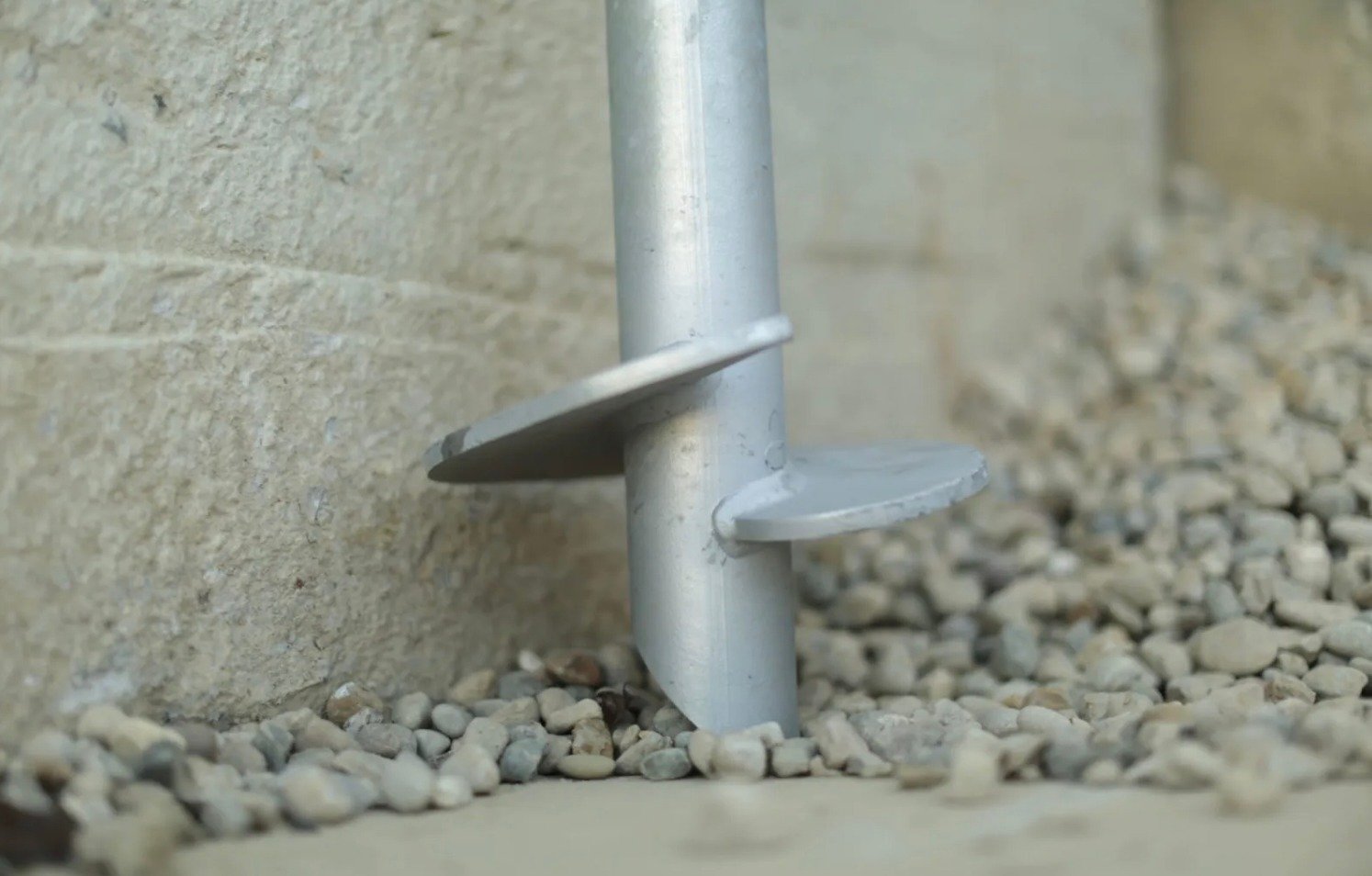
Metal piers, often referred to as steel piers, are a type of foundation support system made from high-strength steel. These piers are driven deep into the ground until they reach stable soil or bedrock, ensuring a solid and immovable base for a structure. Unlike traditional concrete or wooden piers, metal piers are designed to withstand significant weight and pressure, making them an ideal choice for various foundation needs.
The concept of using metal for foundation support dates back many decades, and over time, the technology and engineering behind these systems have evolved significantly. The primary components of a metal pier system include the pier shaft, which is a cylindrical steel rod, and the pier cap, which connects the pier to the foundation. The installation process involves driving the pier deep into the ground using hydraulic machinery, ensuring that the base of the structure is anchored firmly to a stable substrate.
One of the key benefits of metal piers is their adaptability to different soil conditions and environments. Whether you are dealing with expansive clay soils, sandy soils, or areas with significant moisture content, metal piers can provide the necessary support without the risk of shifting or settling. This adaptability makes them a preferred choice for homeowners, builders, and engineers looking for a reliable foundation solution.
Metal piers offer several distinct advantages over traditional foundation systems such as concrete or wooden piers. One of the most significant benefits is their superior strength and load-bearing capacity. Steel, being a robust and resilient material, can handle substantial weight without bending or breaking, ensuring that the foundation remains stable even under extreme conditions.
Another advantage is the quick and efficient installation process. Unlike concrete piers, which require time to cure and set, metal piers can be installed rapidly with minimal disruption to the property. This speed not only reduces the overall construction time but also minimizes labor costs, making the project more cost-effective. Additionally, the installation process of metal piers does not require extensive excavation, preserving the landscape and reducing the environmental impact.
Metal piers also offer excellent resistance to environmental factors such as moisture, pests, and temperature fluctuations. Unlike wooden piers, which can rot and decay over time, or concrete piers, which can crack and deteriorate, metal piers are designed to withstand harsh conditions without compromising their structural integrity. This durability ensures that the foundation remains secure for many years, providing peace of mind for homeowners and property developers alike.
The durability and longevity of metal piers are unmatched when compared to other foundation systems. Steel, known for its strength and resilience, can endure significant force and pressure without showing signs of wear and tear. This characteristic is particularly important for foundations, which need to support the weight of an entire structure while withstanding environmental stresses.
One of the main reasons metal piers are so durable is their resistance to corrosion and rust. Modern metal piers are typically coated with protective layers that prevent oxidation and rusting, even in moist or chemically aggressive soils. This protective coating ensures that the piers maintain their structural integrity over time, reducing the need for frequent repairs or replacements. Additionally, the use of galvanized steel in many metal pier systems adds an extra layer of protection, further enhancing their longevity.
The longevity of metal piers also translates to long-term cost savings. While the initial investment might be higher compared to traditional foundation systems, the reduced maintenance and repair costs make metal piers a more economical choice in the long run. Homeowners and property developers can rest assured that their foundation will remain stable and secure for decades, avoiding the costly and disruptive process of foundation repairs.
When considering the overall cost of a foundation system, it’s essential to look beyond the initial installation expenses. While metal piers may have a higher upfront cost compared to traditional foundation systems, their long-term cost-effectiveness is evident when factoring in maintenance, repairs, and longevity. The durability of metal piers means fewer repairs and replacements over the structure’s lifespan, leading to significant savings.
Another factor contributing to the cost-effectiveness of metal piers is the efficiency of the installation process. The quick and straightforward installation reduces labor costs and minimizes the time required to complete the project. This efficiency is particularly beneficial for large-scale construction projects where time and budget constraints are critical. Additionally, the minimal excavation required for metal pier installation preserves the surrounding landscape, reducing the need for costly landscaping repairs.
Metal piers also offer a higher resale value for properties. A home or building with a stable and durable foundation is more attractive to potential buyers, increasing the property’s market value. Prospective buyers are more likely to invest in a property with a reliable foundation system, knowing that they won’t have to deal with foundation issues in the future. This added value makes metal piers a wise investment for homeowners looking to increase their property’s worth.
The installation process of metal piers is a critical factor in their effectiveness and reliability. The process begins with a thorough assessment of the soil conditions and the specific requirements of the structure. This assessment helps determine the appropriate type and length of the metal piers needed to provide optimal support. Once the assessment is complete, the installation team prepares the site by marking the locations where the piers will be installed.
The actual installation involves driving the metal piers deep into the ground using hydraulic machinery. This step ensures that the piers reach stable soil or bedrock, providing a solid base for the foundation. The hydraulic machinery applies consistent pressure, driving the piers to the required depth without causing disruption to the surrounding area. This non-invasive method preserves the landscape and reduces the environmental impact of the installation process.
Once the piers are in place, the next step is to connect them to the foundation using pier caps. These caps distribute the weight of the structure evenly across the piers, ensuring that the foundation remains stable and secure. The final step involves a thorough inspection to verify that the piers are correctly installed and that the foundation is level and stable. This inspection guarantees that the metal piers will provide the necessary support for the structure, giving homeowners peace of mind.
Metal piers are versatile and can be used in a wide range of applications, making them a popular choice for various construction projects. One of the most common uses of metal piers is in residential construction. Homeowners often choose metal piers for their foundation due to their durability, strength, and resistance to environmental factors. Whether building a new home or retrofitting an existing one, metal piers provide a reliable foundation solution that ensures the structure’s stability.
Commercial and industrial buildings also benefit from the use of metal piers. These structures often require robust foundation systems that can handle significant weight and pressure. Metal piers provide the necessary support, ensuring that the foundation remains stable even under heavy loads. Additionally, the quick and efficient installation process of metal piers is advantageous for commercial projects where time and budget constraints are critical.
Metal piers are also commonly used in infrastructure projects such as bridges, highways, and retaining walls. These projects require foundation systems that can withstand dynamic forces and environmental stresses. Metal piers offer the strength and stability needed to support these structures, ensuring their longevity and safety. Their adaptability to different soil conditions and environments makes them an ideal choice for various infrastructure applications.
The environmental impact of construction projects is an important consideration for homeowners, builders, and engineers. Metal piers offer several environmental benefits compared to traditional foundation systems. One of the primary advantages is the minimal disruption to the surrounding landscape during installation. The non-invasive installation process of metal piers reduces the need for extensive excavation, preserving the natural environment and reducing soil erosion.
Another environmental benefit of metal piers is their recyclability. Steel is a highly recyclable material, and metal piers can be repurposed or recycled at the end of their lifespan. This recyclability reduces the demand for raw materials and minimizes waste, contributing to a more sustainable construction industry. Additionally, the long lifespan of metal piers means fewer resources are needed for repairs and replacements, further reducing their environmental impact.
Metal piers also contribute to energy efficiency in buildings. A stable and secure foundation ensures that the structure remains level, reducing the risk of gaps and cracks that can lead to energy loss. By maintaining the integrity of the foundation, metal piers help improve the overall energy efficiency of the building, reducing heating and cooling costs and lowering the structure’s carbon footprint. This energy efficiency is beneficial for both the environment and the property owner’s budget.
Choosing the right foundation system is crucial for the stability and longevity of any structure. Metal piers offer unmatched durability, strength, and adaptability, making them the best choice for homeowners, builders, and engineers seeking reliable foundation support. Their numerous advantages over traditional foundation systems, including quick installation, cost-effectiveness, and environmental benefits, make metal piers a wise investment for any construction project.
The durability and longevity of metal piers ensure that the foundation remains stable and secure for many years, providing peace of mind for property owners. The efficient installation process and minimal environmental impact further enhance the appeal of metal piers, making them a preferred choice for various applications. Whether building a new home, retrofitting an existing structure, or undertaking a commercial or infrastructure project, metal piers provide the reliable support needed to ensure the success and safety of the construction.
By understanding the benefits and applications of metal piers, homeowners and property developers can make informed decisions about their foundation needs. The long-term cost savings, increased property value, and environmental advantages make metal piers a smart choice for any foundation project. Investing in metal piers is an investment in the future stability and success of your structure, ensuring that it stands the test of time.
📞 Call today at (817) 451-4999 to schedule your free foundation inspection.
Looking for reliable commercial foundation repair services? Discover how Accurate Foundation Repair can help you choose the best solutions near
Is your Fort Worth home showing signs of foundation issues? Discover essential tips to repair and protect your foundation, ensuring
Metal piers offer unmatched stability and durability for your foundation. Discover why they’re the leading choice for homeowners seeking reliable